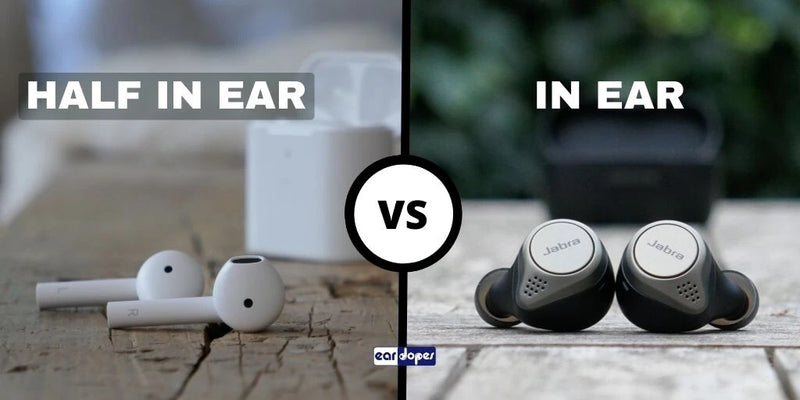
Choosing the right audio device can be overwhelming with so many options available today. Two of the most common types are earbuds and in-ear headphones. While they may look similar at first glance, these devices differ in design, sound quality, comfort, and use cases. Understanding these differences helps users pick the right option for music, gaming, workouts, or daily commuting.
Understanding Earbuds
Earbuds are small audio devices that rest just outside the ear canal. Unlike in-ear headphones, they do not penetrate deeply into the ear. Classic Apple AirPods are a typical example of true earbuds, designed for convenience, portability, and casual listening.
Key Features of Earbuds
Comfortable Fit: Earbuds sit in the outer ear, making them easy to wear for extended periods without causing pressure.
Portability: Lightweight and compact, they are easy to carry in pockets or small cases.
Moderate Sound Isolation: Since they don’t seal the ear canal completely, background noise is only partially blocked.
Casual Listening: Ideal for phone calls, podcasts, and music in low-noise environments.
Pros and Cons
Pros:
Lightweight and portable
Comfortable for long-term use
Easy to wear and remove
Cons:
Less immersive sound due to limited noise isolation
Bass response can be weaker compared to in-ear models
Not ideal for noisy environments or focused listening
Understanding In-Ear Headphones
In-ear headphones, also known as in-ear monitors (IEMs), fit directly inside the ear canal. They usually come with silicone or foam tips that create a seal, providing better sound isolation and a more immersive listening experience. Popular examples include professional music earbuds and premium wireless in-ear models.
Key Features of In-Ear Headphones
Deep Insertion: Placed inside the ear canal, often with customizable tips for a snug fit.
Noise Isolation: The seal created by the tips blocks external sounds, improving clarity.
Enhanced Audio: Stronger bass response and more detailed sound due to the sealed design.
Professional Use: Often preferred by musicians, streamers, and audiophiles for accurate sound monitoring.
Pros and Cons
Pros:
Superior sound quality, especially in low and mid-range frequencies
Effective noise isolation for focused listening
Compact and secure fit, ideal for workouts or travel
Cons:
Can feel uncomfortable if not sized correctly
May cause ear fatigue during extended use
Requires proper cleaning to avoid ear infections
Are In-Ear Headphones Better Than Earbuds?
The answer depends on personal preferences and intended use:
Sound Quality: In-ear headphones typically offer better sound reproduction, especially for bass-heavy music.
Noise Isolation: In-ear models block external noise more effectively, providing an immersive listening experience.
Comfort: Earbuds may be more comfortable for long-term casual use since they don’t go inside the ear canal.
Portability: Both are portable, but earbuds are often lighter and easier to carry without the need for multiple tips.
Versatility: In-ear headphones are suitable for focused listening, workouts, and gaming, while earbuds excel in casual, all-day usage.
Affordable and Reliable Options
For users looking for budget-friendly earbuds with decent sound and comfort, options like m10 earbuds price in pakistan provide a practical solution for daily listening. For a slightly upgraded experience with improved fit and audio clarity, air 31 earbuds offer a compact and ergonomic design suitable for music, calls, and gaming.
Tips for Choosing Between Earbuds and In-Ear Headphones
Consider Your Usage: Casual listening favors earbuds, while workouts, gaming, and focused listening benefit from in-ear headphones.
Test Comfort: Make sure the device fits comfortably for long-term wear.
Check Noise Isolation: In noisy environments, in-ear headphones are preferable.
Look at Battery Life (for wireless models): Some in-ear models may have shorter battery life due to enhanced features.
Budget: High-end in-ear headphones provide excellent sound but may be pricier than standard earbuds.
Conclusion
Both earbuds and in-ear headphones have their advantages and ideal use cases. Earbuds are perfect for casual, portable, and comfortable listening, while in-ear headphones excel in sound quality, noise isolation, and immersive experiences. Affordable and reliable options like m10 earbuds price in pakistan and air 31 earbuds make it easy for users to enjoy quality audio without breaking the bank. Choosing the right device ultimately depends on your listening habits, environment, and comfort preferences.